Professional Roofer Services: Quality Roofing Solutions for Every Budget
Skilled roof providers are necessary for homeowners in search of trustworthy and economical roofing solutions. These professionals recognize the significance of a quality-built roof in protecting homes from climatic factors. They offer a variety of choices and services adapted to various spending limits. Nonetheless, countless property owners encounter challenges in picking the suitable choices. Grasping common roofing issues and solutions can be vital in making informed decisions. What must homeowners reflect on before employing a roofing professional?
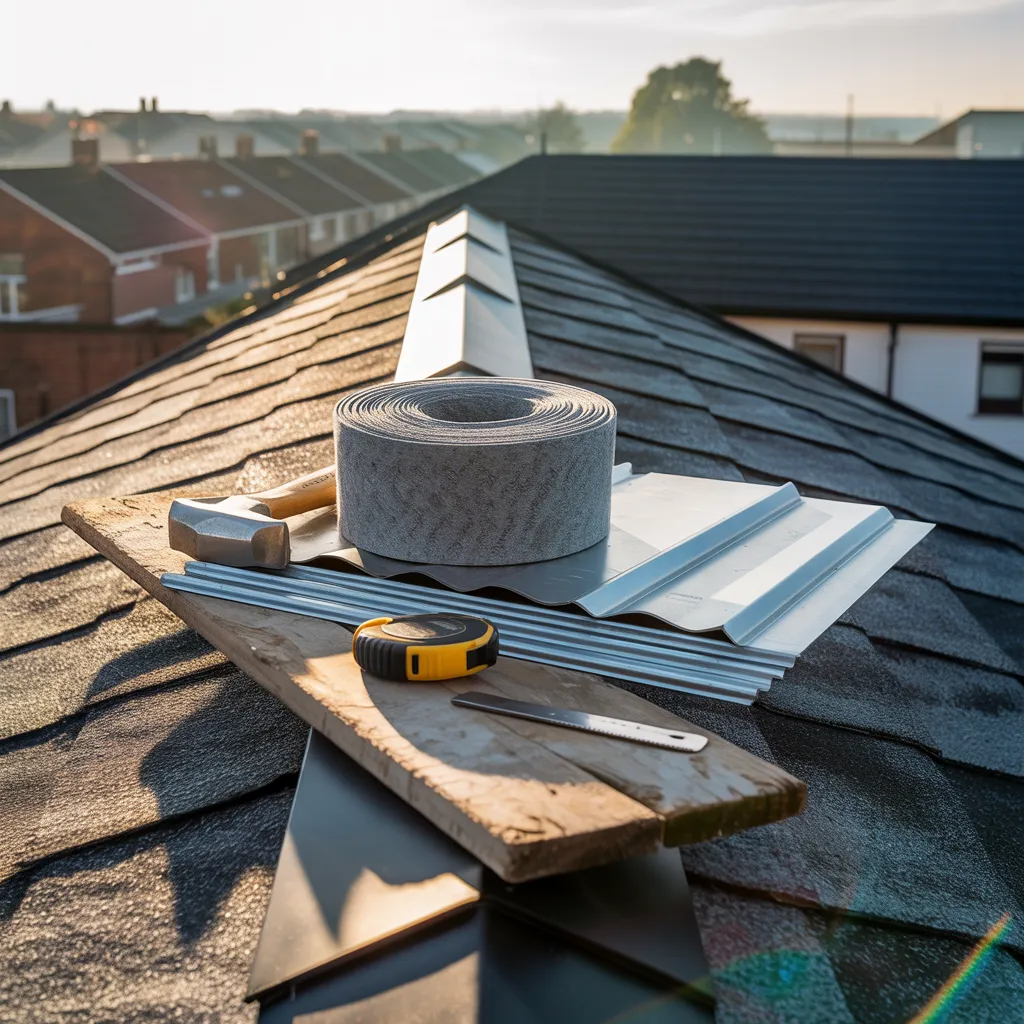
Why a Solid Roof Is Critical
A quality roof is important for any building, as it operates as the primary barrier against natural forces. It shields the interior from precipitation, moisture, wind, and sun exposure, thereby preserving the building stability and amenity of the space beneath. A properly built roof not only prevents leaks and water damage but also promotes energy efficiency by managing temperature.
Furthermore, a quality roof improves the aesthetic appeal of a property, boosting its market value. Consistent upkeep ensures durability, minimizing the need for costly repairs or new installations. Moreover, spending in high-quality materials can provide superior coverage and enhanced longevity.
In zones prone to severe weather, having a robust roofing system remains even more critical, safeguarding occupants and valuables. Overall, a solid roof is a key aspect of any building, emphasizing its significance for protection, well-being, and financial security.
Primary Roof Difficulties Homeowners Handle and Steps to Correct
While house owners may give importance to looks and functionality, various usual roofing issues can undermine both. One common issue is roof leaks, often caused by damaged shingles or improper installation. Homeowners need to periodically check their roofs, repairing any visible wear or gaps promptly. Another concern is poor ventilation, leading to heat buildup and moisture accumulation, which can affect roofing materials over time. Installing proper vents can alleviate this risk.
Furthermore, debris buildup, such as leaves and branches, can retain moisture and promote mold growth. Routine upkeep and cleaning are essential to avoid these hazards. Homeowners may also encounter issues with flashing, which can deteriorate and allow water infiltration. Fixing or replacing damaged flashing ensures waterproofing is maintained. By being vigilant about these typical roof issues, homeowners can prolong their roof's lifespan and protect their investments effectively.
Types of Roofing Materials: Costs and Advantages
When considering roofing materials, homeowners commonly consider asphalt shingles, metal roofing, and tile options. Each material offers unique advantages and costs that can significantly affect a roofing project. Understanding these factors is critical for making an informed decision that aligns with both budget and aesthetic preferences.
Asphalt Shingles Explanation
Asphalt shingles form a popular option in roofing materials due to their affordability and multi-purpose nature. Available in two main types—three-tab and architectural—these shingles serve a assortment of aesthetic preferences and spending limits. Three-tab shingles are typically more cost-effective, while architectural shingles supply greater durability and a more luxurious appearance. Measuring approximately 2.5 to 3.5 pounds per square foot, asphalt shingles are light, making them effortless to fit. Their lifespan ranges from 15 to 30 years, determined by the quality and regular care. Additionally, they are presented in an extensive range of colors, allowing homeowners to personalize their roof design to coordinate with their home's aesthetic. Overall, asphalt shingles strike a harmony of economic value and reliable performance, making them a favored option among homeowners.
Metal Roof Benefits
Metal roofing offers many advantages that make it an appealing option for homeowners looking for long-lasting quality and energy efficiency. One of its main benefits is longevity; metal roofs can last 40 to 70 years, considerably outlasting traditional materials. Their resistance to harsh weather conditions, including high winds and heavy snow, increases their appeal. Moreover, metal roofing reflects solar heat, leading to reduced energy costs during warmer months. This energy efficiency is enhanced by its lightweight nature, which places less stress on the building structure. Additionally, metal roofs are easy to maintain, demanding little maintenance compared to other roofing materials. With multiple styles and finishes available, homeowners can obtain aesthetic appeal while benefiting from the practical advantages of metal roofing.
Tile Roofing Considerations
What elements should property owners evaluate when evaluating tile roofs? First, the upfront cost of tile roofing materials can be greater than other options, but their longevity often validates the expenditure. Tile roofs generally last 50 years or more, reducing long-term renewal expenses. Additionally, homeowners should evaluate the heaviness of tile, as some structures may demand reinforcement. Climate exerts a important role; tile functions well in hot, dry regions but can be vulnerable to cracking in extreme cold. Design options abound, allowing homeowners to choose styles that increase curb appeal. Finally, think about maintenance requirements; while tile roofing is generally low-maintenance, routine inspections are vital to secure longevity and performance. Balancing these factors can facilitate informed decision-making.
Finding Your Suitable Roofer
How might homeowners ensure they select the best roofer for their needs? First, they should examine regional roofing contractors, focusing on their expertise and reputation. Web testimonials and endorsements can supply insight into past results and satisfaction. Additionally, homeowners should establish that the roofer is certified and covered, securing protection against potential financial obligations.
Subsequently, getting multiple quotes is required. This enables homeowners to assess pricing, services offered, and materials used. Clear communication is critical; a reliable roofer should willingly respond to questions and explain the process.
Finally, homeowners should ask regarding warranties and guarantees on both products and labor. A reliable roofer will support their work, providing confidence. By adhering to these guidelines, property owners can make an informed decision, resulting in a quality roof installation that meets their particular requirements.
Budget-Friendly Roof Upkeep Tips
Regular roofing upkeep can greatly prolong the lifespan of a home’s roof without overstretching the budget. Homeowners can employ several affordable methods to make certain their roofs stay in excellent condition. First, routine inspections are vital; looking for missing shingles, cracks, or debris can stop expensive repairs later. Clearing gutters and downspouts of leaves and dirt will aid proper drainage, cutting down the risk of water damage.
Additionally, homeowners should cut back tree limbs that extend over the roof to reduce the chance of damage during severe weather. Applying a roofing sealant product can also shield against leaks without a significant financial investment. Finally, keeping an eye on attic air circulation will assist in control temperature and moisture levels, further preserving roofing materials. By implementing these practical, low-cost maintenance tips, homeowners can effectively safeguard their roofs while remaining within their financial means.
Affordable Roofing Credit Options
Homeowners frequently experience unexpected roof repairs or replacements, which can strain budgets despite diligent maintenance. To soften the financial load, many roofing companies offer affordable financing options tailored to personal needs. These options usually offer low-interest loans, flexible payment schedules, and special promotions that permit homeowners to efficiently manage expenses.
Some roofing contractors collaborate with lending entities to offer frictionless application procedures, ensuring speedy access to funds. Additionally, certain government programs may offer grants or incentives for energy-efficient roofing solutions, further easing the financial burden. Homeowners are advised to pursue these pathways, assessing rules and provisions to find the ideal choice for their situation.
Often Asked Questions
How long Does a Standard Roofing Project Take to Finish?
A common roofing project typically takes between one to three weeks to complete, depending on factors such as roof size, weather conditions, and the complexity of the installation. connected information Timelines may change based on specific circumstances.
What Warranties Are Offered on Roofing Materials and Work?
Most roof products and solutions include warranties ranging from 20 to 50 years, covering defects and installation issues. Property owners should carefully review these warranties to comprehend coverage terms and limitations before making a decision.
May I Install a New Roof Over My Old One?
Yes, one can place a new roof over an existing one, as long as the current roof is in proper shape and local building codes permit it. However, it's essential to consult a professional for detailed advice.
What Signs Tell Me It's Time to Renew My Roof?
Signs representing a roof replacement necessity encompass heavy shingle damage, seepage, sagging, or age beyond 20-25 years. Homeowners ought to consult with a professional for an assessment when these issues come to light to confirm safety and structural integrity.
What Can I Do if My Roof Has a Leak?
If a roof leaks, the occupant should first contain the fluid to prevent damage. Subsequently, they should assess the cause of the leak and consider contacting a contractor for a detailed evaluation and necessary repairs.